




As a responsible firearm owner, learning to clean your gun regularly is essential. Routine maintenance protects the function and longevity of your firearm, whether you own a handgun, rifle, or shotgun.

Cleaning a gun is not difficult. With the proper equipment and safe handling procedures, you can care for your firearm confidently even if you are new to gun maintenance. This guide covers why cleaning matters, the tools you need, and the basic steps for maintaining your firearm properly.
Why Is Regular Gun Cleaning Important?
As a firearm is used, residue, debris, and moisture accumulate on its parts. Left unaddressed, this buildup can cause reliability problems and accelerate wear. Cleaning your firearm regularly keeps it operating properly and helps prevent rust and corrosion.
Cleaning also gives you a chance to check the firearm for noticeable damage or wear.
What Supplies Do You Need to Clean a Gun?
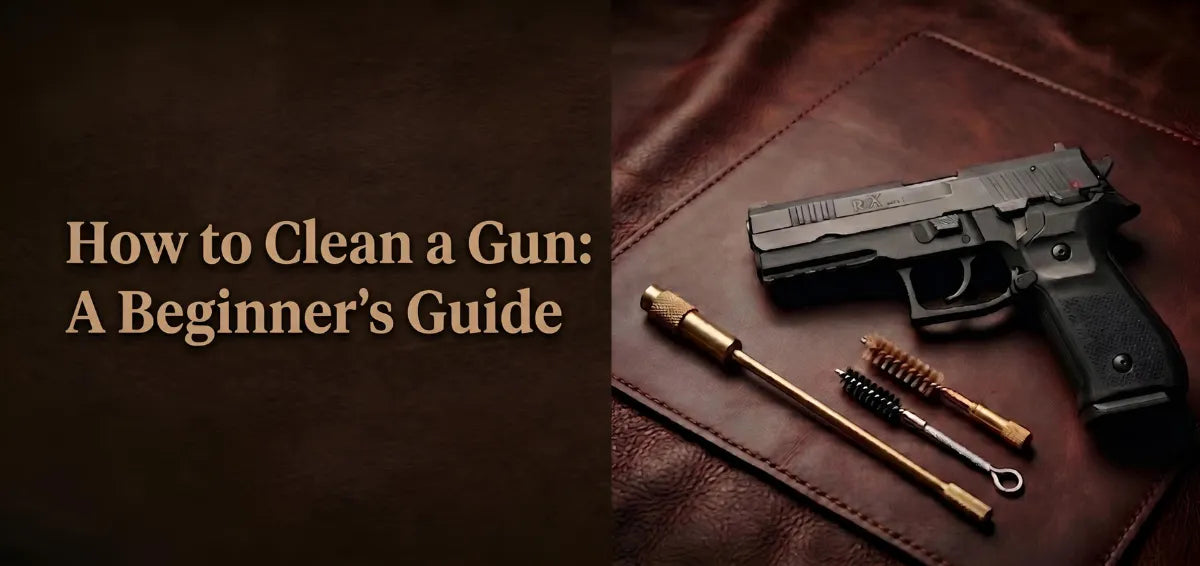
The right cleaning kit makes firearm maintenance easy and effective. A common kit generally includes:
- A cleaning rod or a pull-through cleaning cable
- Bore brushes and cleaning patches
- A cleaning solvent
- A good-quality gun lubricant
- A soft cleaning cloth or microfiber towel
- A nylon utility brush
Always use products made specifically for your firearm and follow the manufacturer's instructions.
Does Cleaning Change by Firearm Type?
Yes. While all firearms share a basic cleaning method, each type is built differently and requires its own care, since individual parts are cleaned in different ways.
Before you disassemble a firearm, check the owner's manual for the recommended cleaning and maintenance procedures. This ensures your firearm gets proper care while minimizing the risk of damaging any components.
Step-by-Step Guide to Cleaning a Gun
Using the same process every time makes cleaning easier. Set up good lighting, keep your supplies within reach, and work in a clean space that protects both you and your materials.
1. Unload and Clear the Firearm
Following the manufacturer's instructions, confirm that your firearm is unloaded before you begin. Make sure the cleaning area is free of ammunition. Only start cleaning once you have verified the firearm is unloaded.
2. Disassemble the Firearm Safely
Follow your owner's manual when disassembling the firearm. In many cases, standard maintenance can be completed without a full disassembly. To make reassembly easier, keep the parts you remove organized in one place.
3. Clean the Barrel and Chamber
Use the recommended solvents and cleaning materials for your firearm to remove fouling and residue from the barrel and chamber. Avoid using too much force, and continue until no buildup remains in the barrel.
4. Wipe Down All Components
Using a nylon utility brush and a clean patch or cloth, wipe down the slide, frame, and other accessible parts to remove dirt, residue, and carbon. Inspect each part as you go for wear, corrosion, or damage that may warrant repair or servicing by an experienced gunsmith.
5. Apply Lubrication to Key Parts
Apply lubricant according to the manufacturer's specifications, using only as much as recommended to minimize friction and support reliable function. Do not over-apply - excess lubricant attracts dirt and residue to the firearm's surfaces and internals.
6. Reassemble and Function Check
After reassembling the firearm according to the manufacturer's directions, perform a function check to confirm it operates properly before returning it to storage.
How Often Should You Clean a Gun?
How often a firearm needs cleaning depends on how often it is fired and how it is stored.
A firearm used regularly needs cleaning and maintenance more often than one kept in storage. Even so, inspecting a stored firearm at least once every few months lets you catch dust, moisture, or corrosion that can develop even when it has not been fired.
If a firearm has been sitting unused, clean it according to the manufacturer's maintenance schedule to minimize the chance of problems from improper care or neglect.
How to Care for Your Leather Holster After Cleaning?
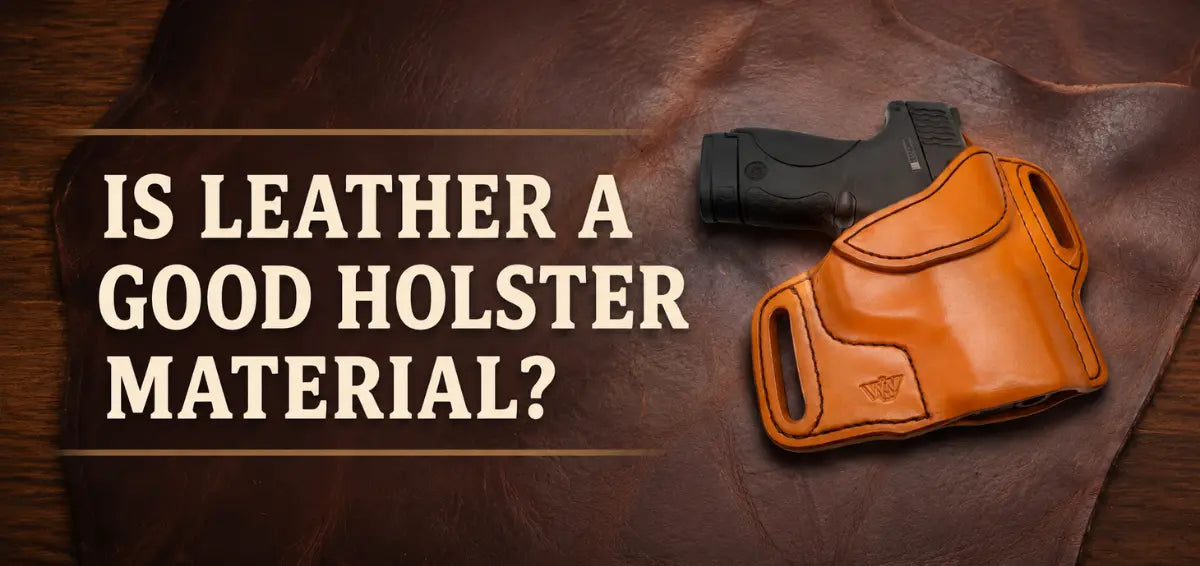
Never place a firearm into a leather holster until it has dried completely and you have wiped off any excess oils. Excess oil can saturate the leather and soften it, which changes the holster's shape and retention over time.
Wipe the outside of the holster with a clean, dry cloth and store it in a cool, dry place away from heat and moisture. This preserves both its appearance and its long-term durability.
Common Gun Cleaning Mistakes to Avoid
Most maintenance problems can be avoided by following a few basic practices. Watch out for these common mistakes:
- Failing to perform safety checks before cleaning
- Using too much lubricant
- Ignoring the manufacturer's recommended maintenance procedures
- Failing to inspect parts for wear or corrosion before storing
- Storing the firearm without first removing excess oil or solvent
- Placing an oily firearm directly into a leather holster
Establishing a routine and taking time for regular inspections keeps both your firearm and your holster in great shape.
Final Thoughts
For a responsible gun owner, knowing how to clean a firearm is essential. Regular maintenance keeps your firearm operating reliably and safely for years, and builds your confidence in using it. By choosing the right tools and materials, following the manufacturer's guidelines, and properly caring for your leather holster, you can keep your firearms in great condition for a long time.
Wright Leather Works provides full-grain leather holsters built to last, and check out the WLW Gun Cleaning Bench Mat for your next cleaning session.
Frequently Asked Questions
Do you need to clean a gun after every use?
Not always. How often you clean depends on your shooting frequency, how the firearm is stored, and the manufacturer's or gunsmith's maintenance recommendations. Regular inspections remain important whether or not the firearm was recently fired.
Can gun oil damage a leather holster?
Yes. Excess lubricants such as gun oil can penetrate leather, causing it to soften and lose its shape over time. Always remove excess oil from the firearm before storing it in a holster.
How long does it take to clean a gun?
Depending on the firearm's condition and your experience, cleaning typically takes 15 to 30 minutes - sometimes longer for a firearm that needs extra attention.
What happens if you don't clean your gun?
Infrequent maintenance lets dirt, residue, and moisture accumulate, which increases wear and can ultimately affect your firearm's reliability.
Can you clean a gun without a cleaning kit?
While basic supplies can keep a firearm functional, a quality cleaning kit made for your specific firearm is a safer, quicker, and more efficient way to get the job done.



Leave a comment (all fields required)