



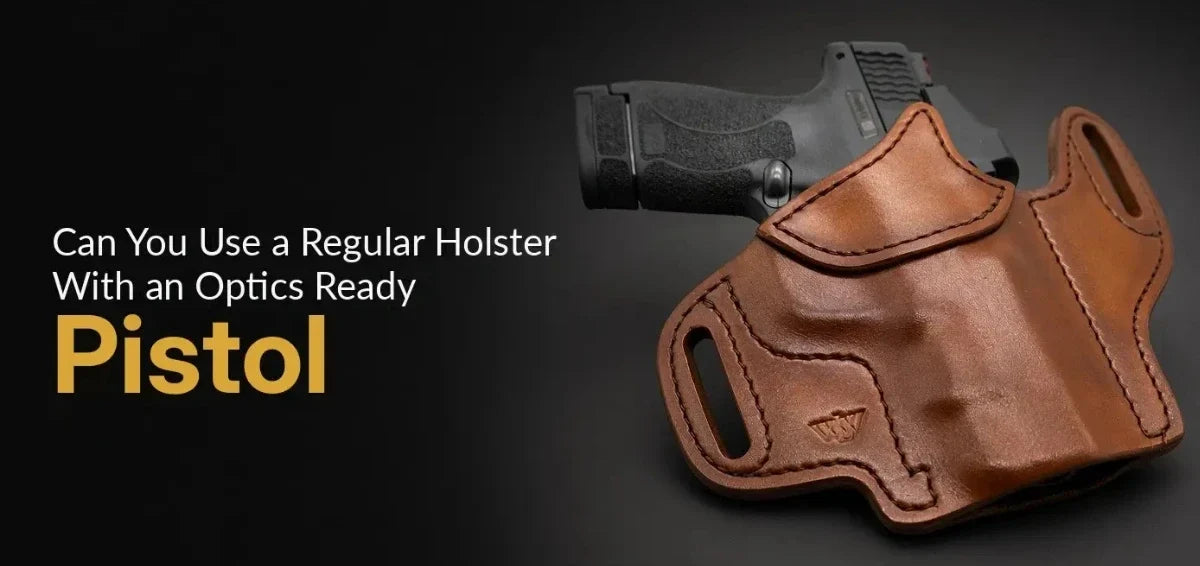

If you own an optics-ready gun, it might not be wise to go for a conventional holster after adding a red dot or reflex sight.
An optic-ready holster is crafted with the necessary additional space to accommodate the slide and the sight area. The styles of holsters vary depending on the pistol type, optic and sight systems, and how the weapon is carried.
Standard Holster vs. True Optics-Ready Holster
| Feature | Standard Holster | True Optics-Ready Holster |
|---|---|---|
| Optic clearance | Absent or limited | This design is created specifically for optic clearance |
| Retention | This design is standard slide profile specific | This design is complete pistol setup specific |
| Red dot compatibility | Optic interference is a possibility | Compatible with optics-ready pistols. |
| Sight clearance | This design is made for standard sights | Depending on design, it can accommodate taller or suppressor-height sights |
| Trigger protection | Model and design vary | A true optics-ready holster always provides appropriate trigger coverage |
| Reholstering | May become difficult after adding an optic | Designed to support the intended setup |
| Modification required | May be necessary, but not recommended | Usually designed to work without modification |
| Best use | Pistols without an optic | Pistols equipped with compatible optics |
What “Optics-Ready” and “Reflex Sight” Actually Mean
An optic-ready gun is specially designed to accommodate either a compatible mini-reflex sight or another compact optic, typically through a ready-made mounting platform on the slide. The type of mounting system selected and its compatibility depend on the gun and its optic sight.
A reflex sight is described as an electronic sighting device that sends the aiming point into the viewing window. The term “red dot” is usually employed as an umbrella word representing various kinds of compact electronic sights, although not all such sights use the red aiming point.
Hence, it is crucial to view the gun, optic sight, sights, and holster as one unit rather than treating the optic as an accessory that fits all holster models.
Why a Standard Holster Doesn't Work with a Red Dot Sight?
Standard holsters are usually made to match the specifics and shape of a certain firearm. However, an optic adds material above the slide that may not have been considered.
Even if the pistol fits the holster, the optic might hit the holster body or prevent proper retention.
Retention Problems with a Standard Holster
Modern holsters use contact points around the gun to ensure it's positioned correctly, and those points can lose their function if an optic changes the gun's position in the holster.
Putting a firearm into a non-compatible holster should not be done by brute force, and a holster design needs to be specifically customized for a particular gun.
Optic Clearance and Sight Protection
An optics-compliant holster must fit the optics without adding stress to the optic.
The optics must not be treated as a replacement for the holster's retention capabilities. A proper holster would hold the gun in place at its retention points while leaving the optics unobstructed.
Lens Exposure and Daily Carry Issues
When carrying a pistol, the optic viewing area is exposed to the surroundings, allowing debris such as moisture and dirt to build up.
Regular inspections will help you realize that the sight works well and the holster fits the complete rig properly.
Can You Modify Your Own Holster to Fit a Red Dot?
Altering a conventional holster may sound like an affordable option, but this can give rise to compatibility and safety issues. Removing material can impact retention, trigger protection, stiffness, and the overall positioning of the weapon in the holster. Furthermore, determining whether the altered product complies with the original design can be extremely difficult.
Will an Optics-Ready Holster Fit a Non-Optics Pistol?
An optics-ready holster can provide extra room for the slide and allow it to fit a gun even without an optic, but the gun must still be made for the model that matches the holster's design.
So, the information provided by the producer about the particular holster is the most important.
Does Carry Position Change What You Need?
Yes. Carry position can affect holster design, retention method, comfort, and required clearance.
Appendix Carry and Red Dot Sights
Appendix carry is when the firearm is in the holster at the front of the waist. An optics-ready holster for appendix carry has to provide correct trigger coverage and retention for the holster.
Due to the human body's position and movement, the entire setup for appendix carry must be manufactured specifically for this purpose rather than adapted from other holster types.
Strong-Side / OWB Carry and Red Dot Sights
Holsters that can be worn in a strong-side position or outside the waistband can provide various clearance and accessibility features. In the case of an optics-ready holster, it should also take into consideration the presence of optics as well as taller sights installed on the gun.
Shoulder Holsters for Optics-Ready Pistols
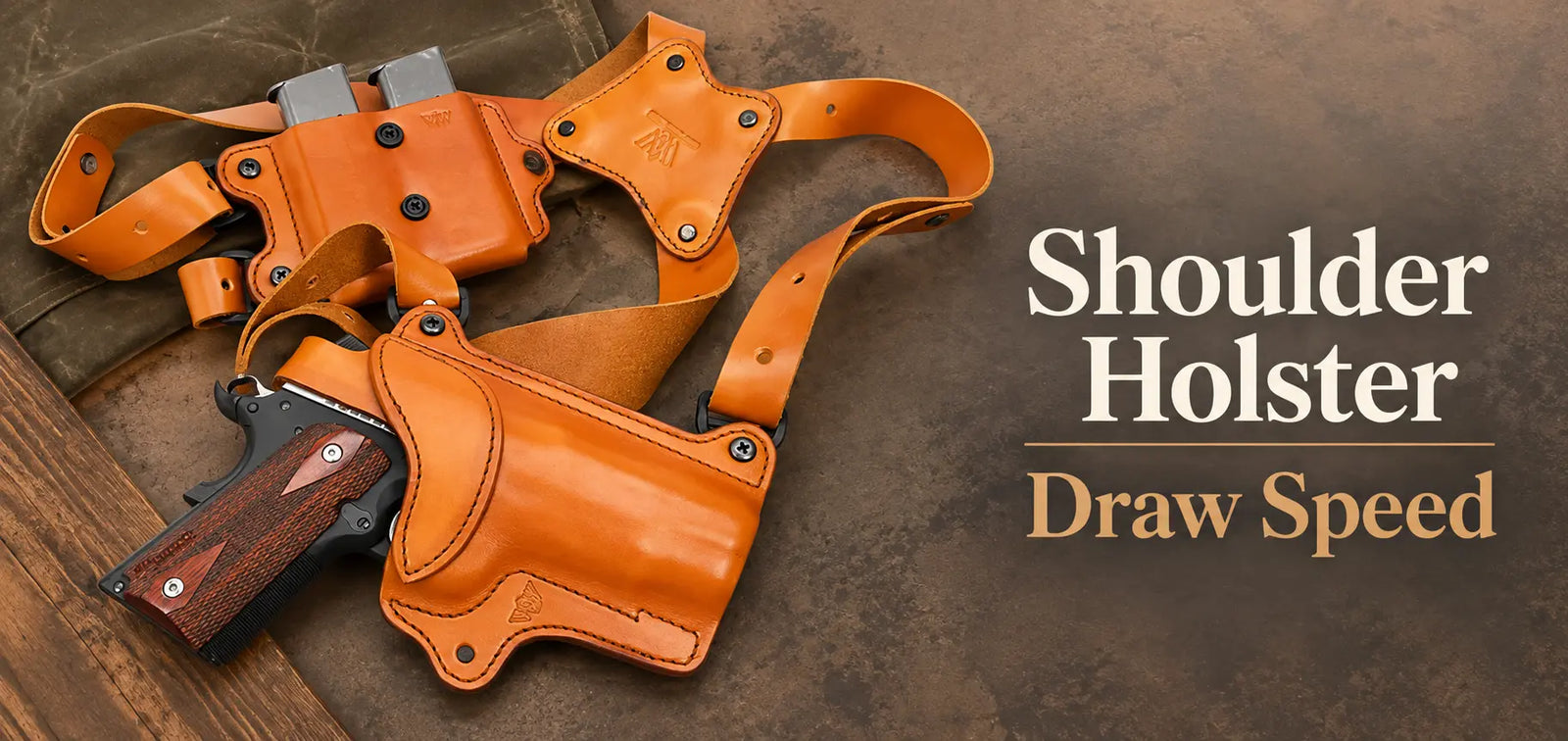
Shoulder holsters call for a different approach because, instead of being worn on the waist, firearms are mounted on the upper body.
Specifically verify whether the holster made for the optical pistol fits the weapon you want to use. The optic has to be clear so you can maintain proper retention and usage.
What to Look for in a True Optics-Ready Holster
Finding a suitable optics-ready holster involves a lot more than simply choosing one with a more generous opening. Check out multiple design features listed below, as they may also be very important.
Proper Optic Cut
Your holster must have a cut-out area for your type of optics that will guarantee compatibility with your sight. You can check if the holster is suitable according to the manufacturer's specifications.
Trigger Guard Coverage
The installation of an optic does not diminish the importance of having trigger protection. When the gun is properly placed in the holster, it must correctly protect the trigger area of the gun.
Suppressor-Height Sight Clearance
Some of the weapons prepared for optics have taller sights that are designed to work with the optic. If your weapon has either suppressor-height sights or co-witness sights, make sure the holster allows for sufficient space for the sights.
Reinforced Mouth and Reholstering Support
A quality holster must maintain its shape and allow for safe reholstering. Depending on the type of holster, the mouth may be reinforced or rigid, thus helping the holster keep its shape during use.
Adjustable Retention
Some holsters offer adjustable retention. Regardless of the retention level you wish to achieve, any adjustments must be made according to the manufacturer's instructions and allow for correct retention without compromising safety.
Leather vs. Kydex Optics-Ready Holsters: Which Is Better for Everyday Carry?
Kydex and leather are different with their distinctive characteristics, and both can be used in designs of holsters for pistols with optics.
Leather is famous for its classic look, comfort, and ability to acquire a unique style over time. A properly made leather holster design for optics can provide a stylish item for everyday use depending on the type of weapon and optics it is made for.
Kydex is a rigid thermoplastic material that is able to retain its shape and provide constant retention. This material can also be moisture-resistant, which is important for people using weapons in changing weather conditions.
However, it should not be concluded that one of the materials is better for any type of user. Design, fit, protection for the trigger, optics compatibility, and retention should be taken into consideration before buying a holster.
Safety Considerations When Carrying an Optics-Ready Pistol
Introducing an optic does not change the core principles of safe gun management. The firearm has to be holstered in a special holster that fits the particular gun model best.
The holster must protect the trigger and hold the firearm securely. A gun ought not to be forced into a holster if it doesn't fit properly.
A person carrying a firearm should know the local laws about concealed or open carry as well as receive training by a qualified expert.
Final Thoughts
An optics-ready handgun doesn't turn out to be matched with every standard holster. Adding a red dot or reflex sight alters the gun's form and requires a special holster that fits the altered form.
An Optic Ready Holster is specially made to provide the needed clearance while keeping the necessary retention and trigger protection.
For the everyday carry option, compatibility and safety would never be less important than convenience and looks.
Frequently Asked Questions
What Is an Optics-Ready Pistol?
An optics-ready pistol is manufactured so that it can accommodate a suitable electronic optic sight, like a mini reflex sight. Usually, the manufacturer builds in an optics mounting system, but mounting arrangements can vary depending on the weapon.
Can I cut a hole in my current holster to fit a red dot?
It is always advisable to use a holster made for use with the optics-ready configuration. Alterations made to a regular holster can greatly change its retention level, structural integrity, trigger protection, and fitting!
What's the difference between a reflex sight and a red dot sight?
A reflex sight refers to an optical sight that displays an aiming point on the viewing screen. The term "red dot" is often used as a general term for miniaturized electronic sights even though the color of the aiming point may vary depending on the model.
Does adding an optic change which carry position works best?
Yes, it does. In general, optics change the gun's configuration, thus affecting the holster's clearance. The carry position depends on the gun type, optics, type of carry holster used, clothing, and individual situation.
Can a leather holster be made optics-ready?
Indeed, leather holsters may be made with enough room for compatible optics. Still, the holster should be made for that firearm and optic, not simply altered from an existing holster without manufacturer input.
Do I need a different holster for suppressor-height (co-witness) sights?
This is possible. Suppressor-height sights are taller than standard sights, which may require extra clearance. Always check the manufacturer's information for your specific pistol and sight combination with your holster.
How much clearance does a red dot need inside a holster?
There is no common measure used to define optic and holster clearances. The dimensions and configuration of different optics vary. The best way to safely use an optic is to follow the manufacturer's specifications for compatibility with a particular firearm and optic system.



Leave a comment (all fields required)