



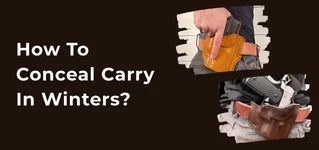

The art of concealed carry takes on a different meaning as the temperatures drop and the layers pile on. Winter concealed carry brings a fair share of challenges, as well as its own advantages.
Of course, cold weather means biting and teeth-chattering winds, snow, and frost, which require heavier clothing, layered outfits, and bulky outerwear. For regular folks, all of these things are manageable, but for someone trying to ace concealed carry or partake in it daily, things become a bit trickier.
Winter demands heavier clothing, layered outfits, and bulky outerwear, all of which can affect comfort, access, and concealment. While it can make concealment easier in some ways, it also requires thoughtful planning to remain safe, compliant with the law, and prepared.
So, whether you are a pro at concealed carry or are just starting out, it is essential to be prepped and ready for winter.
So, without further blabber, let’s understand how you can perfectly, precisely, and seamlessly conceal carry your firearms when the cold peaks.
How Does Winter Help With Concealment?
As we had already mentioned, winter helps and deters concealed carry. You know when the leaves of autumn fall and the trees strip bare, it’s time to take out the heavy jackets, hoodies, coats, and mufflers. Such voluminous clothing naturally obscures the outline of your firearm and holster and minimizes printing (the visible shape of your concealed firearm).
So, winter facilitates more flexibility in your wardrobe choices as compared to the linens and cottons of summer.
How Does Winter Deter Concealed Carry?
The added layers of clothing during winter also usher in novel challenges in concealment, vis-à-vis access, mobility, and comfort.
Quite obviously, the bulky jackets, coats, sweaters, and hoodies slow access and minimize consistency, as the garments shift, bunch up, or snag during movement. In addition, your movement also gets restricted due to the stiff clothing, which makes bending, sitting, or reaching for the concealed firearm more difficult.
A lot of people also forget that winter outfits also include gloves, which, in tandem with cold temperatures, lessen dexterity, grip strength, and tactile awareness.
All of these factors together make winter concealed carry more arduous and demand greater awareness, consistency, and caution.
With strategic planning, the right holster, and some trial and error, you can very much win the concealed carry battle that occurs during dropping temperatures.
Make The Most Of Your Winter Concealed Carry
1. Layer It Right
If you want to survive winters, layering is indispensable. We know! But, do you know that it is actually possible to tweak and customize your learning in a way that it aligns with your concealed carry?
The first thing is to be mindful of three core principles - consistency, convenience, and cumber.
- Consistency:When you wear similar layers of heavy winter clothes daily, you develop predictable movements.
- Comfort:Your coats and jackets should be comfortably fitting, as the tighter ones can restrict movement.
- Cumber:You should avoid overly thick and cumbersome sweaters or long scarves, as they can tangle and snag.
Principles clear? Now, let’s understand how you can layer it right to facilitate your winter concealed carry.
- Outer Layers:They should be jackets or coats with zippers or buttons that you can remove and move aside quickly. Make sure to opt for clothing that is warm yet lightweight.
- Middle Layers:Consider fitted heat-techs and pullovers to avoid access fabric in your draw path.
- Base Layer:It should be thin and unobstructive for maximum comfort when you are wearing the holster.
PS. You can't tuck your thinner base layers behind the holster to cut unnecessary bulk.
2. The Right Type of Winter Clothing
There is no point in applying your strategic layering if the winterwear you choose is not of the right fabric and is incompatible with concealed carry.
- Structured & Quality Fabrics:Wool, canvas, or lined jackets conceal outlines better than thin materials.
- Mid-Length Jackets: Shorter jackets may ride up, while longer coats interfere with your movement. A medium-length coat is your safest bet.
- Neutral Hues:Minimize visible attention by opting for neutral coloured clothing.
3. The Ideal Winter Holster Position
Cold weather vehemently affects how and where you carry your firearm. The added bulk of clothing may require you to adjust your holster placement for better concealment and accessibility. And, we have another news; you might be able to size up your firearm, as bigger guns are easier to shoot for most people.
Inside-The-Waistband (IWB)
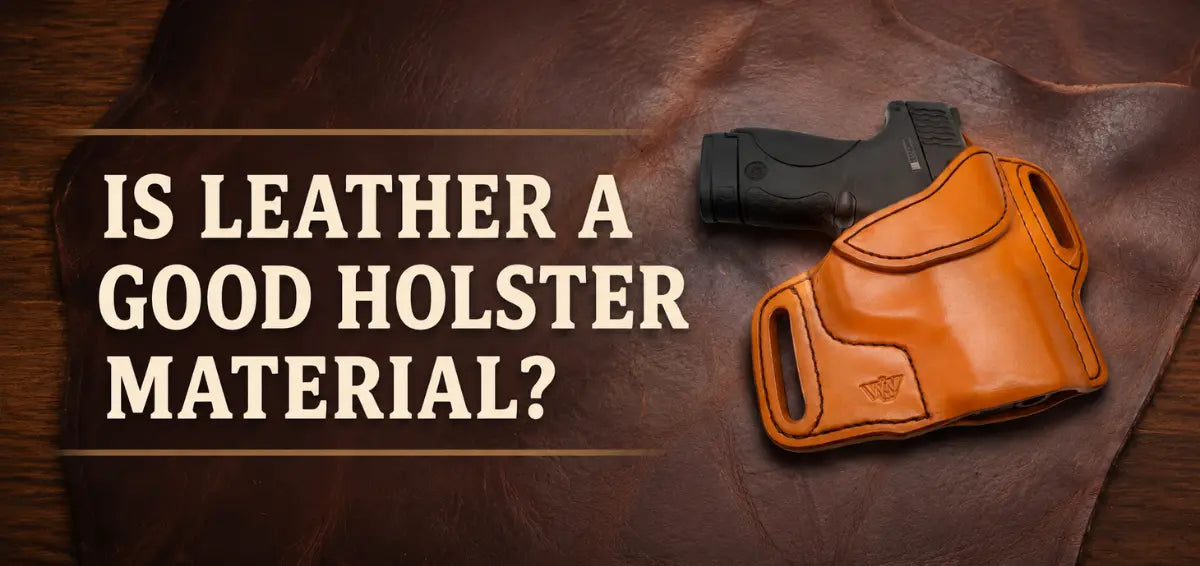
An IWB placement is quite popular for winter concealment. But you must make sure that your holster stays secure despite the heavy, additional layers. An IWB carry also facilitates faster access under layers as compared to strong-side carry. And, you can optimize the experience by using high-quality leather holsters for maximum retention and minimum discomfort.
Outside-The-Waistband (OWB)
Placement OWB is an equally viable placement choice, as your coats and jackets can easily conceal the gun holster. All you have to do is ensure that your coat’s length adequately covers the firearm while still enabling quick access. So, some sincere coat-shopping has to be on your cards.
4. Grip, Gloves & Control
Gloves are overlooked and shunned in winter carry discussions. But we all wear gloves during biting cold winters, and they can vehemently reduce movement, dexterity, and grip strength. So, you should practice basic movements with your winter gloves, as practice ACTUALLY makes a man perfect. Similarly, your gloves should allow reasonable finger movements; go for tactical or thing gloves designed for firearm use.
PS. Cold temperatures slow your reaction time and coordination, so the importance of caution and restraint multiplies.
5. Be Mindful of the Miscellaneous Tips
Steer clear of excessively puffy or oversized jackets, as they make access difficult. You can also consider carrying your firearm in an everyday carry (EDC) bag if layering becomes too cumbersome. Such bags are especially designed for concealed carry, and are a great resort during winter. Lastly, inculcating the habit of checking clothing positioning discreetly is a good choice, as it prevents accidental exposure and discomfort.
Key Takeaways
Long story short, winter concealed carry is a mixed bag of strategic layering, choosing the right layers, and indulging in some practice sessions. The bulky jackets and coats provide both opportunities and challenges for concealment, and it’s up to you what you make of the situation.
Concealed carry is a serious responsibility throughout the winter, and winter is simply another season that mandates respect, preparation, and sound judgment so that you can do everything the right way.



Leave a comment (all fields required)