
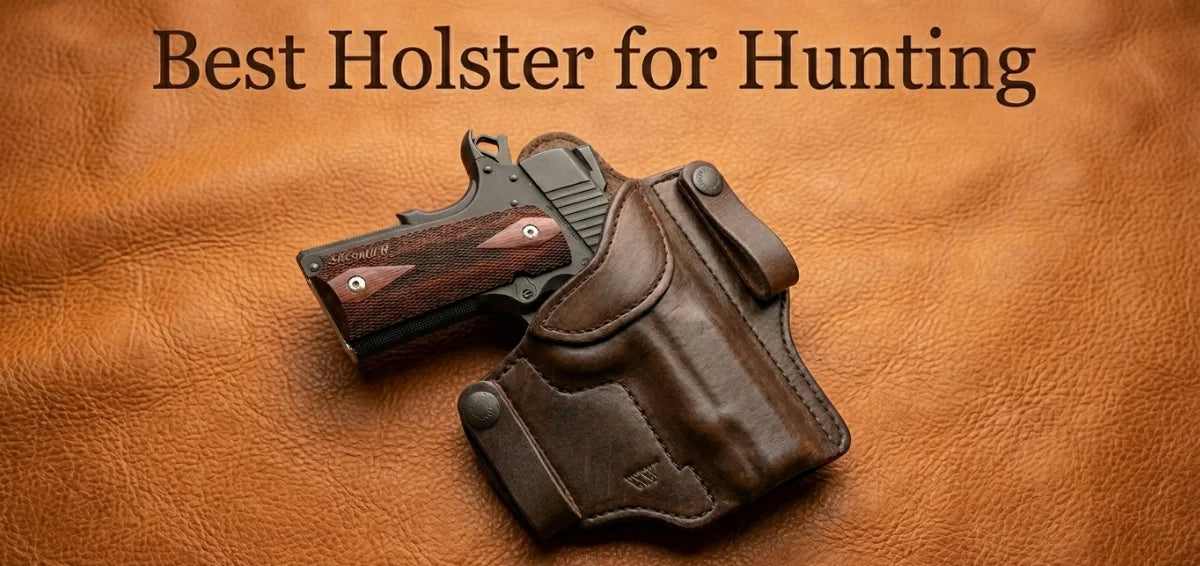

When you are out in the woods, every piece of equipment counts, including your firearm. In addition to choosing the weapon itself, you need to consider how you will transport it safely and efficiently. This is where a hunting holster comes into play.
A hunting holster will not only keep your handgun secure, but it will also provide you with comfort when you wear it, easy access when you need it, and the ability to withstand the rigors of outdoor activities. Regardless of whether you are hiking through dense bush or sitting still for hours, having the right holster can significantly affect your experience in the field.
In this article, we will study hunting holsters. You will find information on various types, materials, and important characteristics to help you find the best hunting holster for your next hunting adventure.
What is a Holster for Hunting?
Holsters used for hunting are designed specifically for large firearms in harsh outdoor conditions. It differs from common holsters in the way that it can withstand bad weather, time spent outdoors, and movement. While hunting, people usually have their secondary weapons with them just in case. Hence, hunters need a holster that keeps their guns both safe and accessible.
Types of Holsters for Hunting
Every holster is different. Designs must vary depending on the hunting situation.
Chest Holster
The chest holster is recognized as one of the best types of gun holsters for hunters. A chest holster is positioned at the center of your torso using a harness, which keeps your gun easily accessible. The design of the chest holster allows you to wear it while carrying a backpack or wearing heavy clothing without affecting the other equipment. Weight distribution also helps reduce fatigue during long hikes, as it is evenly distributed across your upper body. A chest holster is often the preferred choice for backcountry hunting and long-term outdoor activities because of its excellent comfort, stability, and quick access to your firearm.
Shoulder Holster
A shoulder holster remains a popular option that many hunters use. It hangs beneath the arm and distributes the weight evenly across the shoulders, making it very comfortable to wear for long periods. This holster style is especially beneficial when you have to sit and remain stationary, such as during stand hunting. The downside to this holster is that it can interfere with the back strap, especially if you move around a lot.
Hip or OWB Holster
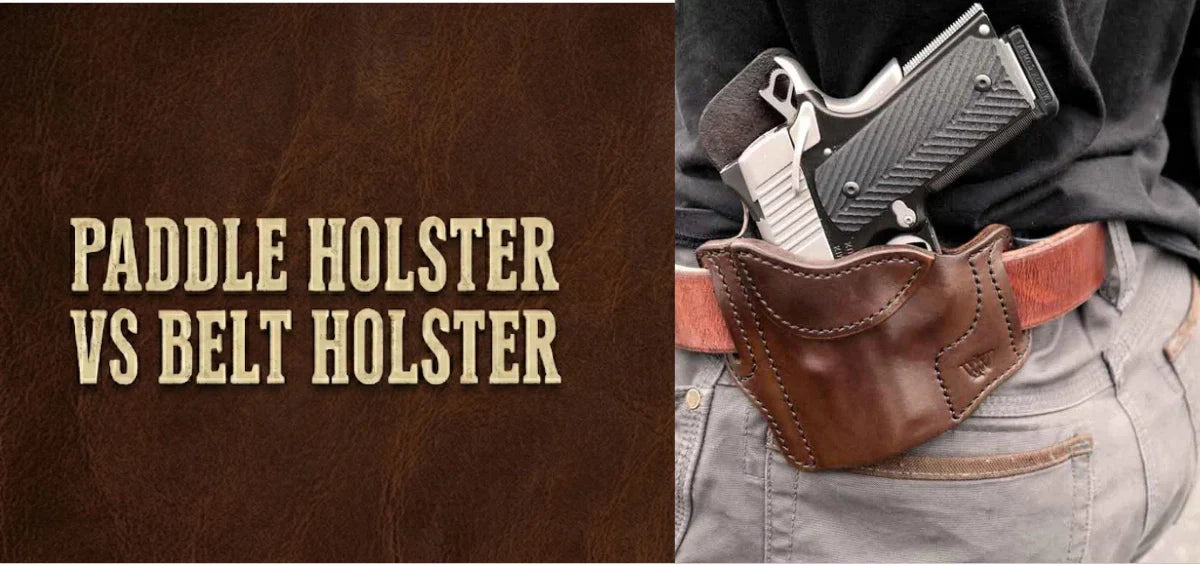
Hip holsters (also referred to as outside the waistband holsters) provide simplicity and a familiar way for the user to carry their weapons, with the fast, easy attachment to a belt that also allows quick access. These holsters work well when doing short hunting trips. When in thick cover or wearing other gear like a backpack, hip holsters can become less functional behind the hip if they snag on items, which is less practical in rough terrain than in open areas with no mobility restrictions.
Drop Leg Holster
Drop-leg holsters feature designs that ensure the gun mounts on the thigh, keeping it low and below the waistline. Drop-leg holsters make it easier to access the gun and prevent it from getting entangled with other accessories worn near the waistline. This could be good in some cases, but in the case of hunting in thick forests, drop leg holsters are not very efficient because the gun holder runs the risk of tangling their gun in the trees.
Key Features to Look for in a Hunting Holster
Style is not the only consideration when selecting a holster. You must concentrate on performance.
Durability
Hunting can be a surprise as the weather can change from sunny to rainy, wet ground to slick & muddy, and handling is sometimes rough at any time. Many materials, including Kydex and heavy-duty nylon, have a proven reputation for being tough and able to withstand the weather.
Having a high-quality holster will help keep your gun secure in any weather.
Comfort
Hunting usually requires a lot of walking or even sitting in one spot for a long time. An unpleasant holster can completely spoil your hunt. Choose a light model with adjustable straps.
Accessibility
In those important moments when speed is required, your holster must permit a quick & smooth draw; this is where a chest holster has its advantages since your firearm will be located at the front of your body even when wearing cumbersome gear.
Retention and Security
A well-made holster should keep your firearm in place. Retention features prevent the gun from falling out when moving around. The adjustable retention feature is more efficient because you can determine how much pressure to apply.
Adjustability
Seasonal factors will affect your hunting gear. You may wear layers of clothing that are warm and durable, ie, summer (much lighter) or winter (heavier) types. An adjustable holster will be useful in every season. Clear plastic buckles allow you to put your hunting gear on and take it off with ease while wearing gloves!
Best Materials for Hunting Holsters
Material plays a major role in performance.
Kydex
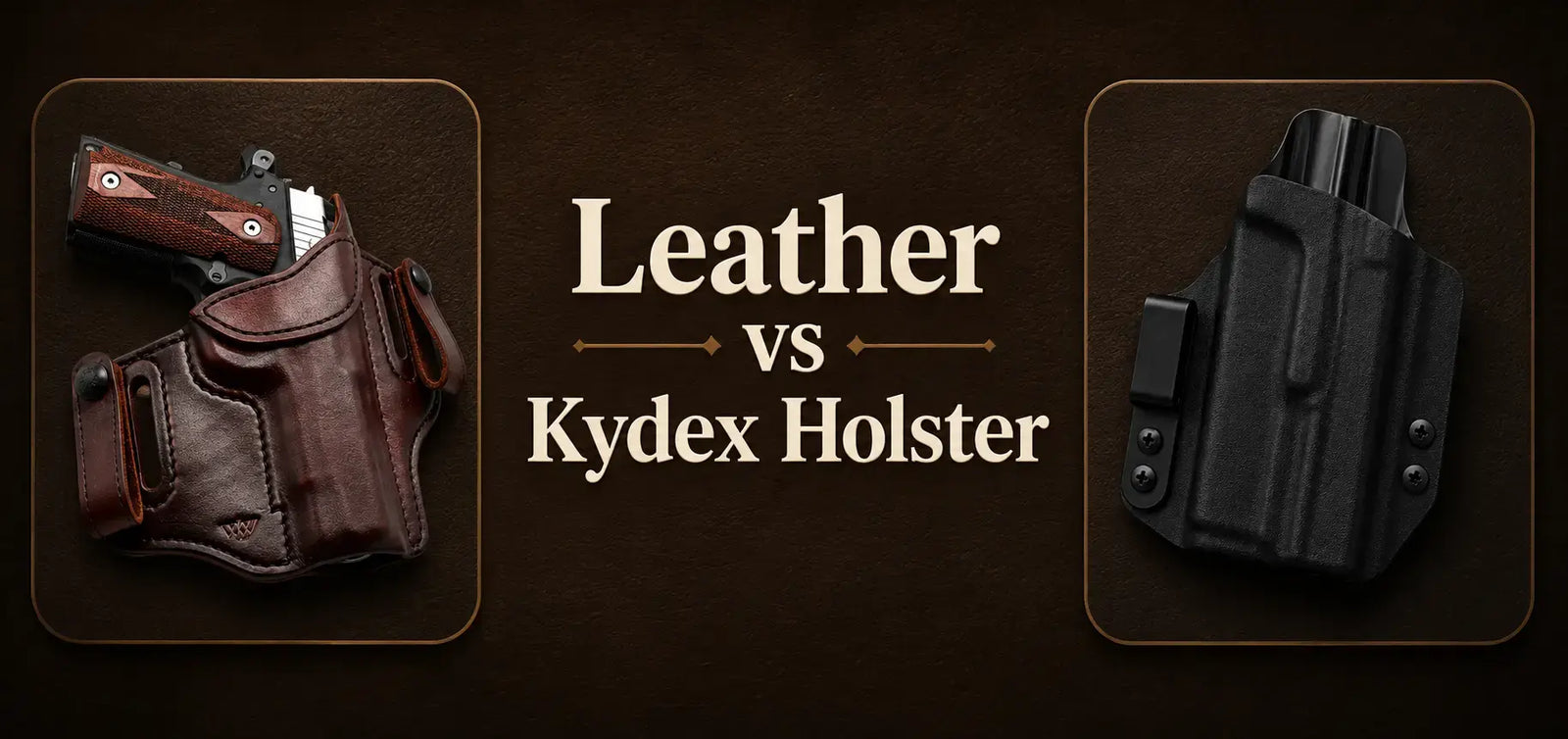
Kydex is an advanced plastic material. It is durable, weatherproof, and maintenance-free. It has an accurate retention capacity and can be used in extreme conditions.
Leather
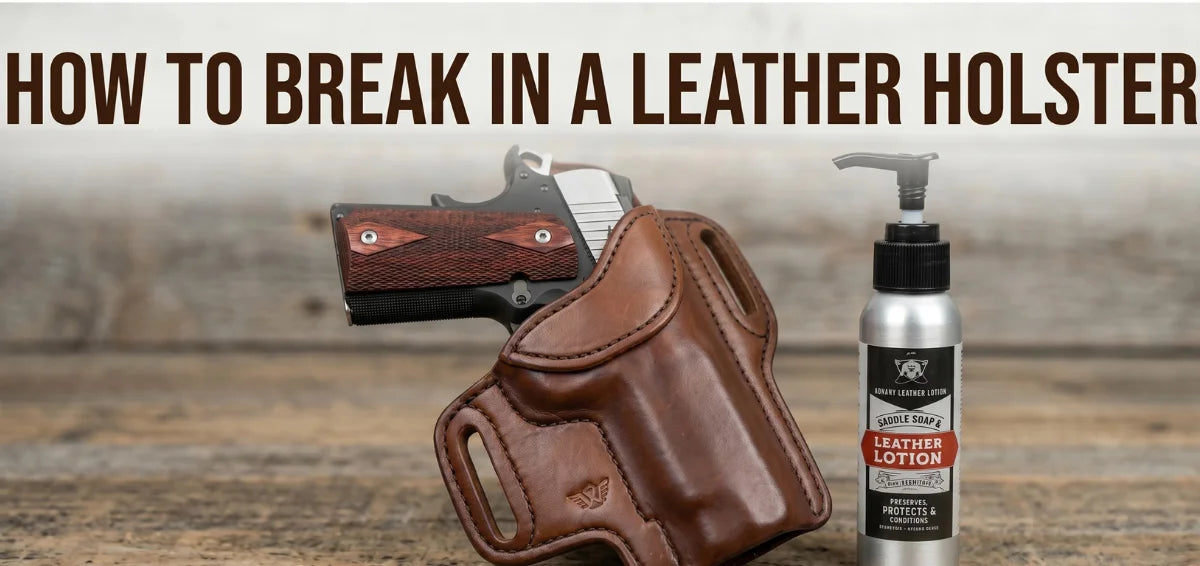
Leather is a traditional material. It is comfortable and noiseless when moved around. However, it needs regular maintenance and cannot be used in wet conditions.
Nylon
Nylon shooters are very strong but are very light in weight. They are able to withstand severe weather conditions and dry very quickly. Therefore, a budget-oriented option for hunters.
Hybrid Designs
Hybrid holsters combine materials like Kydex and leather. They offer a mix of comfort and durability, making them a balanced choice for many hunters.
Why Chest Holsters Stand Out
Among all choices, the chest holster is undoubtedly the best for hunting. These holsters make sure that your gun is always within easy reach. They do not create problems while you use a pack or belt. In addition, they also ensure your comfort during lengthy hunting expeditions.
Conclusion
Making the right choice for a holster for hunting can have a dramatic effect on your comfort level, safety, and ability to be successful in the field. While there are many types of holsters available, chest holsters have multiple advantages over other holster types and are therefore more practical for most hunters. Chest holsters have superior accessibility, distribute weight better than other types of holsters, and are compatible with other outdoor gear.
Ultimately, your hunting style will determine which type of holster is best for you. If you are going to stay in one location for a period of time, a shoulder holster may be a better option for you, while a hip holster may work just fine if you will be hunting quickly and covering a lot of ground.
When selecting your holster, ensure that it has durability, comfort, and a secure fit. Ensure that the materials are appropriate for the location in which you will be using the holster. Always choose a holster that feels natural to you.



Leave a comment (all fields required)